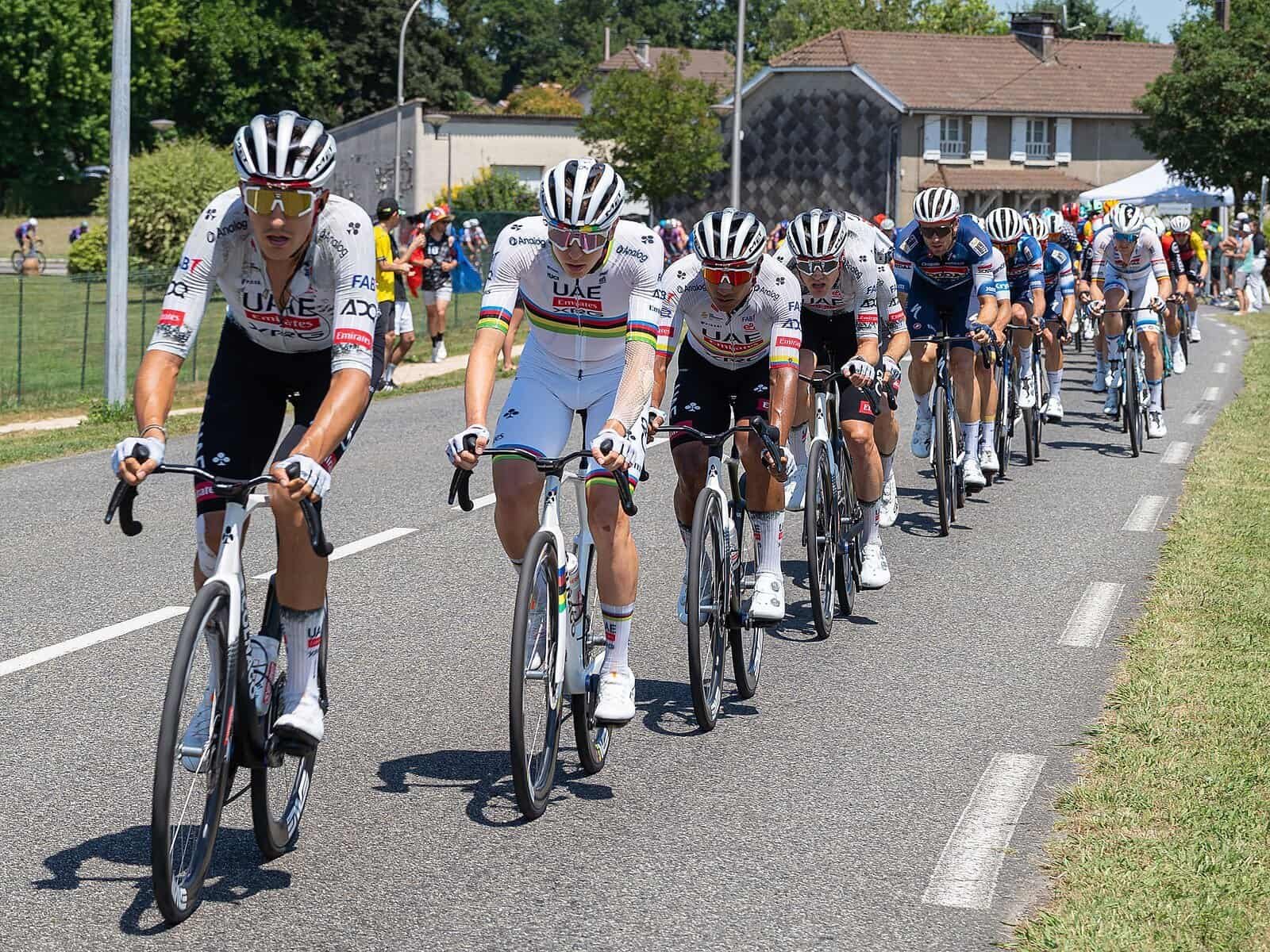
Giro d’Italia 2026 Preview: Can Anyone Topple Pogačar’s Dominance?

Route Analysis: A Climber’s Paradise Awaits at Giro d’Italia 2026
The Giro d’Italia 2026 promises to deliver one of the most challenging and spectacular routes in recent memory, with the organisers RCS Sport crafting a parcours that demands exceptional climbing prowess, tactical acumen, and sustained resilience. The 109th edition of La Corsa Rosa spans from 8 May to 31 May, traversing over 3,400 kilometres and featuring approximately 48,700 metres of vertical climbing—a figure that cements this as a race for the pure mountain specialists.
The opening week breaks from tradition with a historic Grande Partenza in Bulgaria, starting on the Black Sea coast in Burgas. Following three stages in Eastern Europe, the race transfers to Southern Italy, where the intensity ramps up quickly. The first major test for the General Classification favorites arrives on Stage 7, which features a punishing finish atop Blockhaus. This brutal ascent, averaging over 8% for 18 kilometres, will serve as the opening salvo in the battle for pink, separating the genuine contenders from the pretenders early in the first week.
The race’s decisive moments will likely unfold during the final week as the peloton enters the high Alps and Dolomites. While Stage 10 offers a significant 40-kilometre individual time trial from Viareggio to Massa for the specialists to gain ground, the mountains dominate the endgame. Stage 19 stands as the undisputed Queen Stage, crossing the legendary Passo Giau—the 2026 Cima Coppi—before a technical finish in Alleghe.
The penultimate stage to Sestriere, featuring the treacherous gravel sectors of the Colle delle Finestre, remains the final hurdle. Just 50 kilometres from the end of the race’s competitive mountain phase, these dirt roads could reshape the entire standings in a single afternoon. For those following the live cycling results, the drama will reach its ultimate conclusion not in Milan, but against the historic backdrop of Rome’s Colosseum on 31 May.
Top Contenders: Pogačar’s Quest for Grand Tour Supremacy
Tadej Pogačar arrives at the Giro d’Italia 2026 as the overwhelming favourite, seeking to complete his collection of Grand Tour victories and potentially embark on an unprecedented calendar Grand Slam. The Slovenian phenomenon has redefined what’s possible in modern cycling, combining explosive climbing ability with time trial prowess and tactical intelligence that belies his years. His 2025 season included dominant victories at Liège-Bastogne-Liège and the Tour de Suisse, demonstrating the form that makes him virtually unbeatable when fully committed to a three-week objective.
However, Jonas Vingegaard’s late confirmation for the Giro adds genuine intrigue to proceedings. The Danish champion has twice defeated Pogačar at the Tour de France and arrives with significantly improved time trialling capabilities. Visma-Lease a Bike’s decision to target the Giro represents a strategic pivot, potentially sacrificing Tour preparation to secure their first Giro victory since 2012. Vingegaard’s climbing consistency and ability to recover between mountain stages make him the most credible threat to Pogačar’s ambitions.
Remco Evenepoel completes the triumvirate of genuine title candidates, though questions persist about his ability to sustain peak performance across three weeks in mountainous terrain. The Belgian’s time trial superiority—he could gain 90 seconds on most rivals in the two tests against the clock—provides insurance against potential mountain stage deficits. His 2024 Giro saw him struggle during the final week, a vulnerability he must address if championship aspirations are to materialise.
Outsiders including Egan Bernal, returning to full fitness after career-threatening injuries, and Enric Mas, perennially competitive without securing Grand Tour victory, could capitalise on any weakness amongst the favourites. According to the latest UCI cycling rankings, these riders occupy positions that reflect both their talent and inconsistency. The depth of competition ensures that tactical miscalculations or momentary physical weakness will be ruthlessly exploited.
Event essentials: Giro d’Italia 2026
- Dates: 9 May to 1 June 2026 (24 racing days)
- Venue: Italy, featuring 21 stages across approximately 3,400 kilometres
- Prize money: €1,538,700 total, with €265,668 for the overall winner
- Broadcast: Available on Eurosport, GCN+, and RAI in over 190 countries worldwide
- Record at stake: Pogačar could become youngest to win all three Grand Tours since Fausto Coppi
Historical Context: Legacy and Records at Giro d’Italia 2026
The Giro d’Italia occupies a unique position in cycling’s pantheon, blending spectacular scenery with unpredictable racing and a romantic embrace of suffering that distinguishes it from its French and Spanish counterparts. Since Costante Girardengo claimed the first edition in 1909, the race has crowned 70 different winners, though dominance has proven elusive—only three riders have secured five or more victories: Alfredo Binda, Fausto Coppi, and Eddy Merckx.
Several significant records face potential challenges in 2026. Should Pogačar secure victory, he would become the youngest rider since Coppi to win all three Grand Tours, achieving the feat before his 28th birthday. The Slovenian’s stage win tally at Grand Tours already exceeds 20; adding to this collection whilst securing overall victory would cement his status amongst cycling’s all-time greats. For comprehensive historical data, ProCyclingStats provides invaluable context regarding stage wins, climbing statistics, and performance comparisons.
The maglia rosa itself carries immense prestige, with its distinctive pink colouring—chosen to match the pages of La Gazzetta dello Sport, the race’s founding newspaper—symbolising primacy in Italian cycling. Recent years have seen foreign dominance, with Italian riders failing to secure overall victory since Vincenzo Nibali’s triumph in 2016. The home nation’s cycling community desperately craves a native champion, though realistic contenders remain scarce in the 2026 startlist.
Climbing records could also tumble, particularly if weather conditions favour aggressive racing in the high mountains. The mythical status of stages like the Mortirolo, the Gavia, and the Stelvio means that exceptional performances on these slopes enter cycling folklore, repeated and embellished across generations of tifosi who line these treacherous roads regardless of conditions.
Key Storylines: Beyond the Battle for Pink
Whilst the general classification provides the central narrative, numerous secondary competitions add depth to the Giro d’Italia 2026. The points classification, identified by the maglia ciclamino, typically favours explosive sprinters capable of surviving mountainous terrain. Mark Cavendish’s retirement means new names will contest this prize, with Jasper Philipsen and Jonathan Milan emerging as primary candidates. Their teams’ willingness to control bunch sprints during the opening week, knowing the mountains will later demand complete focus on GC riders, creates fascinating tactical dilemmas.
The King of the Mountains competition, distinguished by the maglia azzurra, could witness an unconventional winner if a breakaway specialist targets the jersey from the race’s opening days. The allocation of maximum points atop the Stelvio and other Cima Coppi-designated climbs means GC contenders usually accumulate sufficient points through stage wins and high finishes, but clever tactics from riders unburdened by overall ambitions can disrupt this pattern.
The youth classification for riders under 25—the maglia bianca—represents cycling’s future, and 2026 boasts exceptional young talent. Juan Ayuso, already a Grand Tour podium finisher, leads the next generation alongside fellow prodigies like Cian Uijtdebroeks and Isaac Del Toro. Their performances provide glimpses of cycling’s landscape beyond the current Pogačar-Vingegaard duopoly, suggesting the sport’s competitive depth remains healthy despite recent dominance by two riders.
Team dynamics add further intrigue, particularly regarding domestique support in the mountains. The decision by certain teams to field dual leadership—hedging against illness, crashes, or poor form—versus unified support structures creates tactical chess matches that unfold across three weeks. Attacks designed not to win stages but to force rivals to expend team support early become weapons in the GC battle’s attrition warfare.
Predictions and Verdict: Pogačar to Reign Supreme
Analysing the available evidence—route profile, current form indicators, historical performance, and team strength—points toward a Tadej Pogačar victory at the Giro d’Italia 2026, though the margin may prove narrower than his dominant Tour de France successes. The Slovenian’s combination of explosive climbing, solid time trialling, and tactical maturity makes him exceptionally difficult to defeat across three weeks, particularly on a route that rewards pure climbing ability.
Jonas Vingegaard represents the most credible threat, capable of matching Pogačar in the high mountains and potentially limiting time losses in the time trials to manageable margins. Should the Dane arrive in peak condition and avoid the crashes and illness that have occasionally derailed his seasons, an upset remains possible. However, the Giro’s earlier calendar position may favour Pogačar’s typically excellent early-season form.
Remco Evenepoel’s podium credentials appear solid, with his time trial superiority providing insurance against mountain stage deficits. A top-three finish would represent a successful Giro, though championship victory requires improvement in sustained climbing performance during the final week’s accumulated fatigue. The supporting cast of Bernal, Mas, and others will compete for remaining podium positions, with stage wins potentially consoling those unable to challenge for overall honours.
The race’s unpredictability—a defining Giro characteristic—means weather, crashes, illness, and tactical miscalculations could dramatically alter these predictions. Italian fans will pray for surprises that upset the established hierarchy, though realism suggests the sport’s current superstars will ultimately prevail. For the latest developments, updates, and insights as the race approaches, follow our comprehensive cycling news coverage.
Final prediction: 1. Tadej Pogačar, 2. Jonas Vingegaard, 3. Remco Evenepoel. The margins between these three could measure minutes or seconds, ensuring 24 days of compelling racing drama.