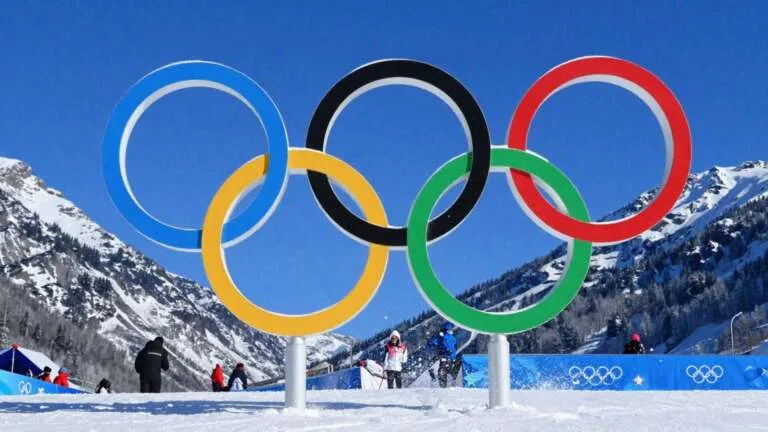
Milan-Cortina 2026 – The Winter Olympics Return to the Alps
The Winter Olympics return to the Italian Alps tomorrow as Milan-Cortina 2026 opens across multiple venues in northern Italy. Nearly 3,500 athletes from 93 nations will compete across 16 disciplines over 17 days of competition, from the opening ceremony on February 6 through the closing ceremony in Verona on February 22.
A Historic First: Two Host Cities
For the first time in Olympic history, the Games are officially co-hosted by two cities. Milan takes responsibility for all ice events – figure skating, speed skating, short track, ice hockey, and curling – utilizing purpose-built arenas and converted exhibition spaces across Italy’s business capital. Meanwhile, Cortina d’Ampezzo, which previously hosted the 1956 Winter Olympics, returns to the Olympic stage alongside mountain clusters in Livigno, Valtellina, and the Fiemme valleys for all alpine, Nordic, and sliding sports.
The geographic spread is unprecedented. Athletes and fans will travel across multiple regions of northern Italy, from Milan’s urban arenas to Cortina’s legendary alpine slopes, from the high-altitude snow parks of Livigno to the historic ski jumping facilities in Predazzo. This distributed model reflects how Milan-Cortina 2026 is reshaping the Winter Olympics, prioritizing sustainability by using existing infrastructure rather than building new facilities that might sit unused after the Games.
Breaking Records for Gender Balance
Milan-Cortina 2026 makes history as the most gender-balanced Winter Olympics ever staged. Women will comprise 47% of all competing athletes, up from 45.4% at Beijing 2022 – a significant leap that reflects decades of advocacy for equality in winter sports.
The gender balance extends to new events specifically created for women. Women’s doubles luge debuts after years of being restricted to mixed or men’s competition. Women’s large hill ski jumping finally gives female athletes the same platform their male counterparts have competed on since 1924. These additions aren’t just symbolic – they represent genuine expansion of competitive opportunities in sports where women have historically been excluded or restricted.
Opening Ceremony Across Four Locations
The opening ceremony on Friday, February 6, breaks from Olympic tradition with simultaneous celebrations across four locations. The main ceremony takes place at Milan’s iconic San Siro Stadium – the 80,000-seat home of AC Milan and Inter Milan – where Milan-Cortina 2026 officially launches the Winter Olympics with performances by Mariah Carey and Andrea Bocelli alongside the Parade of Nations and the lighting of the Olympic cauldron.
But for the first time, delegations will also parade in the areas where they’ll actually compete. Alpine skiers will march in Cortina d’Ampezzo, freestyle and snowboard athletes in Livigno, Nordic competitors in Predazzo – each location hosting its own celebration and, in Cortina’s case, the lighting of a second Olympic cauldron. The approach aims to bring the Olympic spirit directly to the mountain communities hosting competition rather than centralizing everything in the host city.
15 Venues, 116 Medal Events
A total of 15 venues will host the 116 medal events across 16 disciplines. Key facilities include:
- Milano San Siro Olympic Stadium – Opening ceremony
- Milano Santa Giulia Ice Hockey Arena – Ice hockey (newly constructed, faced delays and NHL criticism over rink dimensions)
- Milano Ice Skating Arena – Figure skating
- Fiera Milano – Speed skating (temporary installation, cost nearly €20 million)
- Cortina Sliding Centre – Bobsleigh, luge, skeleton (controversial new track built after the original was deemed beyond repair)
- Tofane Alpine Skiing Centre (Cortina) – Downhill, super-G, combined
- Anterselva Biathlon Arena – Biathlon
- Livigno Snow Park – Snowboarding, freestyle skiing
- Verona Olympic Arena – Closing ceremony (historic Roman amphitheater)
The construction and renovation of these venues has not been without controversy. The Cortina bobsled track replacement became a political flashpoint when the original Eugenio Monti track couldn’t be restored within budget or timeline, nearly forcing the sliding events to Austria. The Milano hockey arena faced criticism over dimensions and construction delays. But as the Games open, all venues are operational and ready.
Who to Watch
Several storylines will dominate coverage across the 17 days:
American alpine ski legend Lindsey Vonn returns at age 41 for her fifth Olympics despite crashing in her final pre-Games race. With one gold and two bronze medals already, she’s attempting one of the most remarkable comebacks in Winter Olympics history.
Mikaela Shiffrin, widely considered the greatest alpine skier of all time, leads the American contingent alongside two-time gold medalist snowboarder Chloe Kim and figure skater Ilia Malinin (“The Quad God”), who’s poised to dominate men’s figure skating.
NHL stars return to Olympic ice for the first time since Sochi 2014, with Canadian legend Sidney Crosby headlining a stacked roster. The men’s ice hockey competition between powerhouses USA and Canada will be one of the Games’ marquee events.
Norway aims to dominate again, having topped the medal table at both PyeongChang 2018 (39 medals) and Beijing 2022 (37 medals). Their strength in Nordic events – biathlon, cross-country skiing, ski jumping – typically gives them an insurmountable advantage, though Germany, USA, Canada, and China will challenge across other disciplines.
For the next 17 days, the world’s attention turns to northern Italy as Milan-Cortina 2026 brings the Winter Olympics back to the Alps. Champions will be crowned, records will fall, and the next generation of winter sports stars will announce themselves on the only global stage that truly matters in their disciplines.