
Golf’s civil war: the $15 billion sport caught between LIV and the Majors
For more than ninety years professional golf ran on a stable structure: the PGA Tour in America, the European Tour internationally, four major championships as the crown jewels, and a clear hierarchy in which the best players competed for millions while the sport maintained its genteel self-image.
Then Saudi Arabia’s Public Investment Fund launched LIV Golf in 2022 with effectively unlimited funding, and the sport went to war with itself.
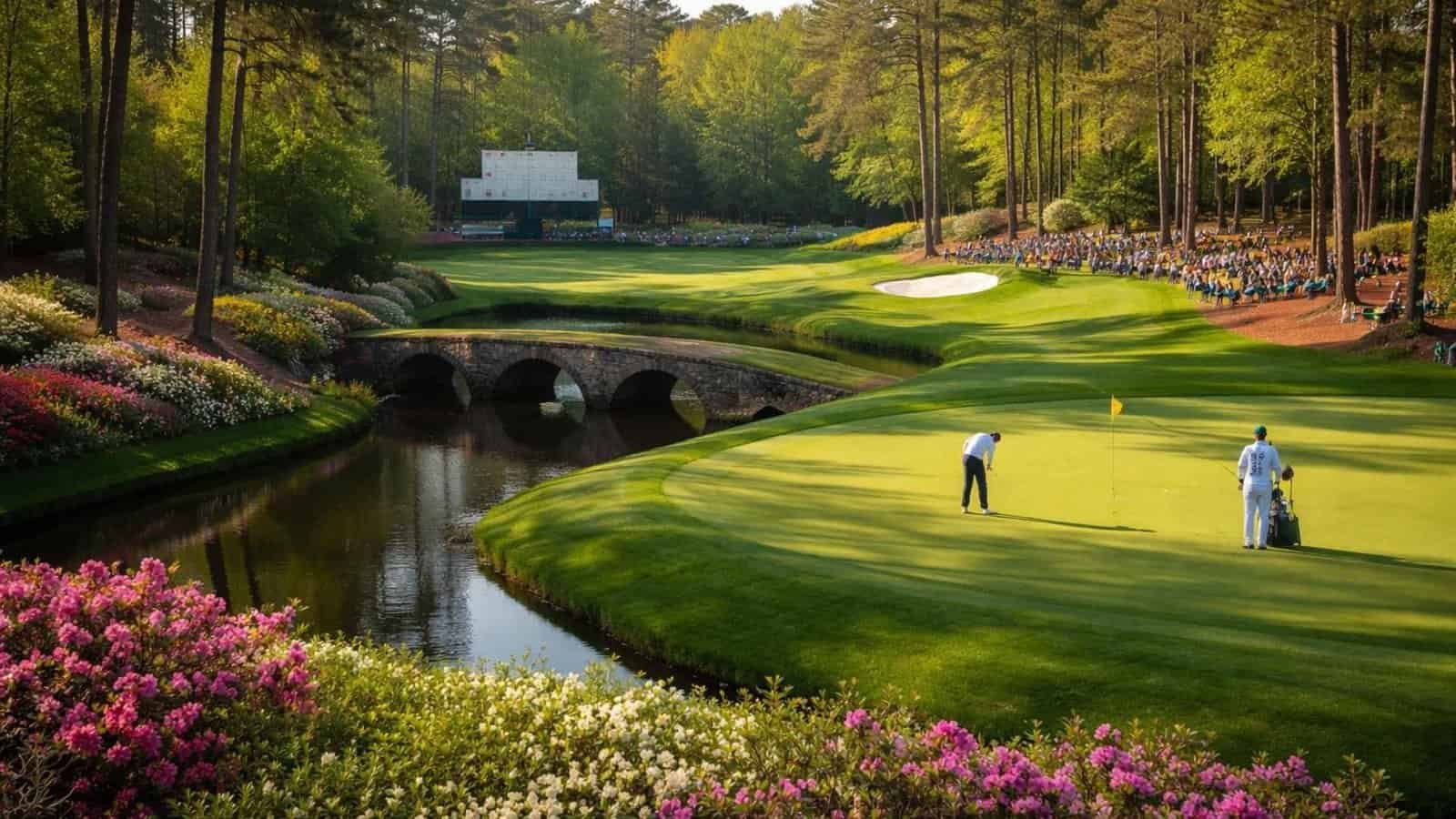
The Masters 2026: Augusta National and the course that defines golf
The Masters 2026: Augusta National and the course that defines golf
What LIV actually broke
The new league discarded almost every convention at once: 54 holes rather than 72, shotgun starts, team competitions nobody had asked for, and tournaments at courses without history. None of that was the point. The point was guaranteed money — contracts reportedly worth $200 million and upward to Phil Mickelson, Dustin Johnson and Brooks Koepka, sums an order of magnitude beyond what traditional prize money could deliver.
The format barely mattered because the recruitment did not depend on it. When a player can earn more from signing than from a decade of winning, the competitive argument stops being decisive.
The Tour’s response, and its limits
The PGA Tour reacted with visible urgency: purses raised above $20 million, elevated events created with limited fields, defectors banned and then unbanned once legal threats arrived. In June 2023 it announced a partnership with the PIF that blindsided even the players who had turned the money down out of loyalty.
That announcement revealed the underlying arithmetic. Despite $1.9 billion in annual revenue, the Tour could not compete with sovereign wealth, because the two are not playing the same game. The PIF does not need golf to be profitable; the widely understood aim is reputational, and reputation-building tolerates losses indefinitely. The PGA Tour cannot.
Why the sport was vulnerable
Golf generates substantial money from broadcasting, sponsorship and tournament fees, but that revenue supports an entire ecosystem rather than sitting in a war chest: tournament operations, player pensions, developmental tours, charitable commitments. It is a system built for stable distribution, not for a bidding contest.
Which is precisely why one actor willing to overpay dramatically could destabilise the whole structure. The vulnerability was never a shortage of money. It was that every dollar already had a job.
The majors still hold the power
The four championships remain golf’s real authority, and none of them belongs to the warring tours. Augusta National runs the Masters and controls the most coveted invitation in the sport. The USGA and the R&A govern the US Open and the Open Championship independently. The PGA Championship operates autonomously despite its name.
These events legitimise players or decline to, which is why LIV golfers pursued major access so persistently. A win at Augusta or St Andrews carries a weight that no amount of guaranteed money can manufacture — the one currency Saudi funding could not simply purchase.
What the players actually gained
Lost in the argument about loyalty is what the disruption did to earnings across the field. Guaranteed contracts went to a few dozen names, but the Tour’s defensive purse increases benefited everyone who kept their card — including players who never received a LIV approach and never had to weigh the question.
For a sport where most professionals operate without a salary and pay their own expenses, that shift is more consequential than it appears. The competitive middle of golf is measurably better paid than it was in 2021, and that happened as a side effect of a fight it had no part in.
A wealthy-world map
The United States dominates both participation, with more than 25 million golfers, and commercial value. Europe — Britain, Ireland, Spain and Sweden in particular — produces elite talent and hosts prestigious events. Asia is expanding fastest: South Korea develops exceptional women players, Japan stages major tournaments, and China has built thousands of courses despite little golfing tradition. Africa, South America and much of Asia remain marginal to the professional game.
What survives the argument
Whether the PGA Tour–PIF partnership is ever consummated, whether LIV keeps burning capital, and whether players face any lasting consequence for taking the money are all genuinely open questions. They matter enormously for the structure of professional golf.
They matter far less for the economics underneath it. Sixty-six million people play golf, buy expensive equipment, travel to famous courses and watch tournaments featuring players they admire. Equipment and tourism together dwarf all professional prize money combined. That foundation is indifferent to who runs the tours — which is the strongest argument that golf will outlast its own civil war, in some form nobody has yet designed.
Eight sites, one family — travel, wine, sport and sharper thinking. Explore the rest of the universe.