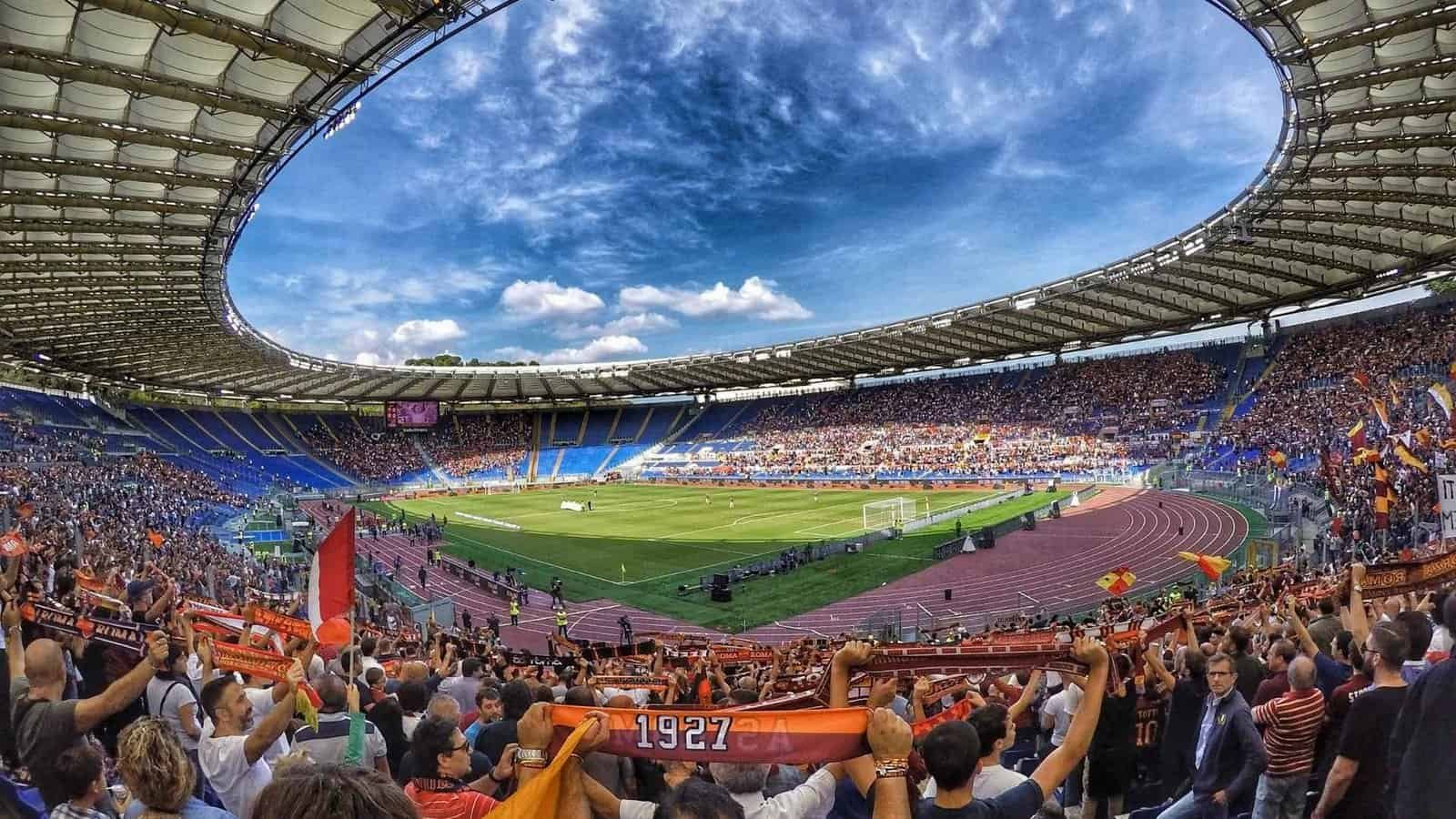
Why football is the only sport that belongs to everyone at once
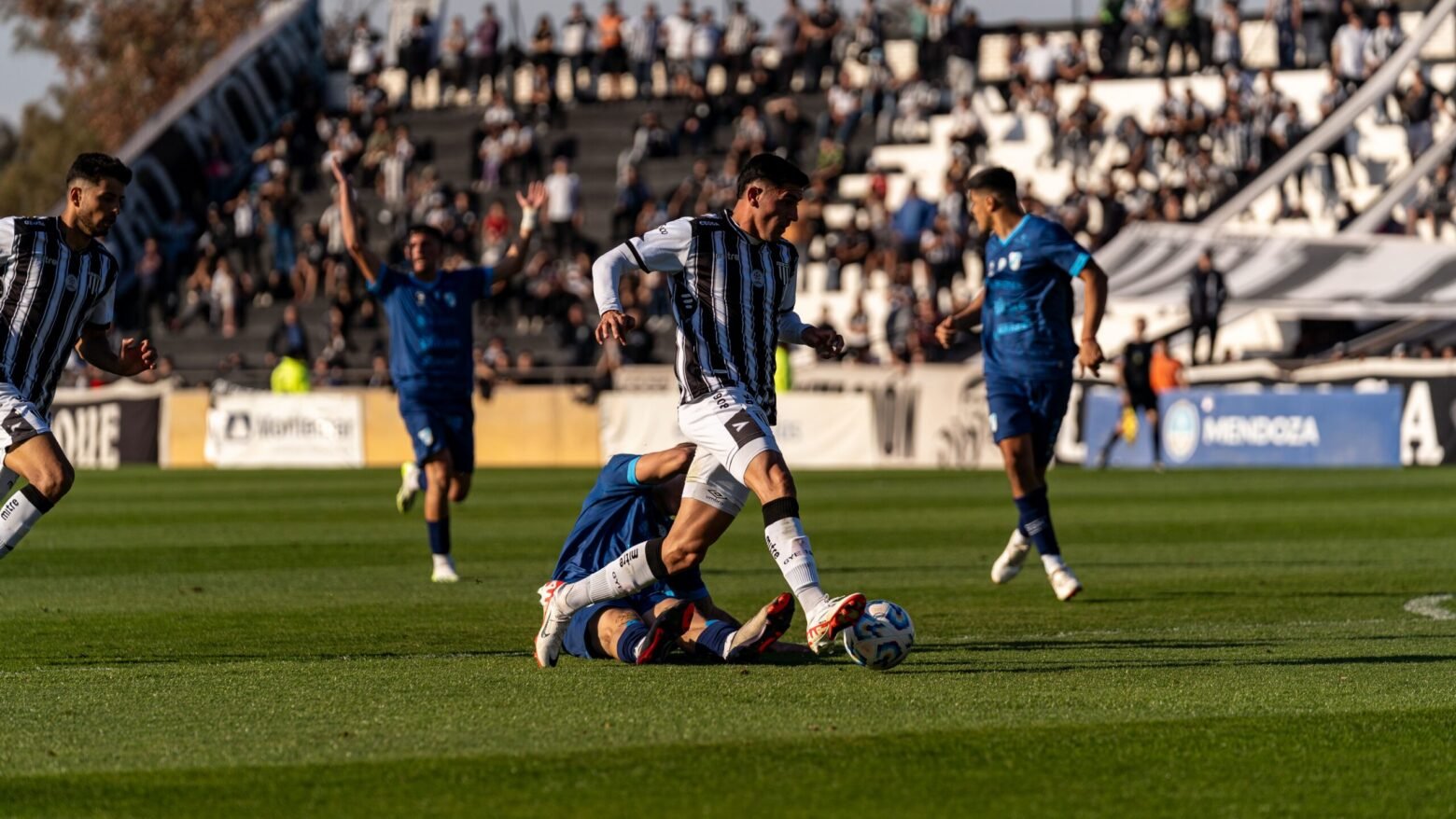
No sport comes close to world football’s global penetration. From Brazil’s favelas to Premier League stadiums, from African villages to Chinese megacities, football crosses every boundary that usually divides an audience — economic, cultural, linguistic, religious. It is not the biggest sport by a margin. It is the only one with a genuine claim to being universal.
What makes that worth examining is how unusual the position is. Most sports that dominate a market do so because they were sold into it. Football arrived almost everywhere on its own.
Simplicity is the whole strategy
Football’s reach begins with its equipment list: a ball and open space. Nothing else is required, which is why it took root in places that could never have afforded a sport with a kit list. Every barrier that keeps other games regional — cost, facilities, coaching infrastructure, specialised body types — football simply does not have.
That accessibility at the bottom coexists with staggering wealth at the top, and the two are connected rather than in tension. A sport played by 250 million registered participants produces a talent pool no other game can match, and a viewership that broadcasters will pay almost anything to reach.
The money at the elite end
The Premier League distributes over $4 billion a year to its twenty clubs from broadcast rights alone. Champions League prize money exceeds $2 billion a season. Players at the very top — Ronaldo and Messi being the defining examples of their era — have earned north of $200 million a year once endorsements are counted.
The important detail is where that money comes from. It is not manufactured demand. Broadcasters pay those sums because the audience already exists, in numbers verified every four years by the World Cup — the only sporting event that rivals the Summer Olympics for global attention, and unlike the Olympics, it does so for a single sport.
The most-watched match ever played
The 2022 final between Argentina and France drew 1.5 billion live viewers, making it the most-watched sporting event in television history. That figure is worth sitting with: roughly one in five people alive watched the same ninety minutes, plus extra time and penalties, at the same moment. No other cultural event of any kind reliably produces that. The 2026 tournament, expanded to 48 teams, tested whether the format could grow without diluting the drama — and the final in which Spain beat Argentina suggested it could.
A genuinely global map
Europe’s top five leagues — England, Spain, Germany, Italy, France — generate the revenue and attract talent from everywhere. South American leagues develop world-class players despite far lower commercial value, functioning as the sport’s most productive talent economy. Asian and African markets represent the growth areas: the Chinese Super League briefly challenged European wages before government intervention ended the experiment, while African nations consistently supply elite players to European clubs.
This is what distinguishes football from every rival. Basketball, cricket and motorsport all have international followings, but each has a clear centre of gravity and a large part of the world where it barely registers. Football has no such empty quarter.
Two calendars, one sport
Part of football’s grip comes from operating on two rhythms at once. The club game supplies a weekly appointment for nine months of the year, building loyalties that are inherited rather than chosen. The international game arrives rarely enough to feel like an event, and attaches those loyalties to a flag instead of a badge.
Most sports have one or the other. Football has both, and they reinforce each other: the World Cup recruits new audiences every four years, and the club season is waiting to keep them. It is the closest thing the sport has to a growth engine, and it requires no marketing spend at all.
https://worldsporttalk.com/soccer/Soccer is The World’s Game that unites us all
An economic model that shouldn’t work
Football runs on terms that American sports economists would consider reckless: no salary caps, no draft, no revenue-sharing mechanism strong enough to stop the wealthiest clubs from dominating. Pure market competition, in other words, with all the inequality that implies.
And yet it holds. The knockout format ensures upsets survive the financial gap, and the sport keeps producing results that should be impossible — Leicester City winning the Premier League in 2016 at 5000-1 being the case that proved it. Unpredictability turns out to be structurally resilient even under severe financial imbalance, which is the quiet reason the model has never been reformed.
Football isn’t simply the world’s biggest sport. It is the only one that belongs to the whole world at once — and that, rather than any revenue figure, is the asset no competitor can buy.
More global soccer
FIFA.com
Eight sites, one family — travel, wine, sport and sharper thinking. Explore the rest of the universe.