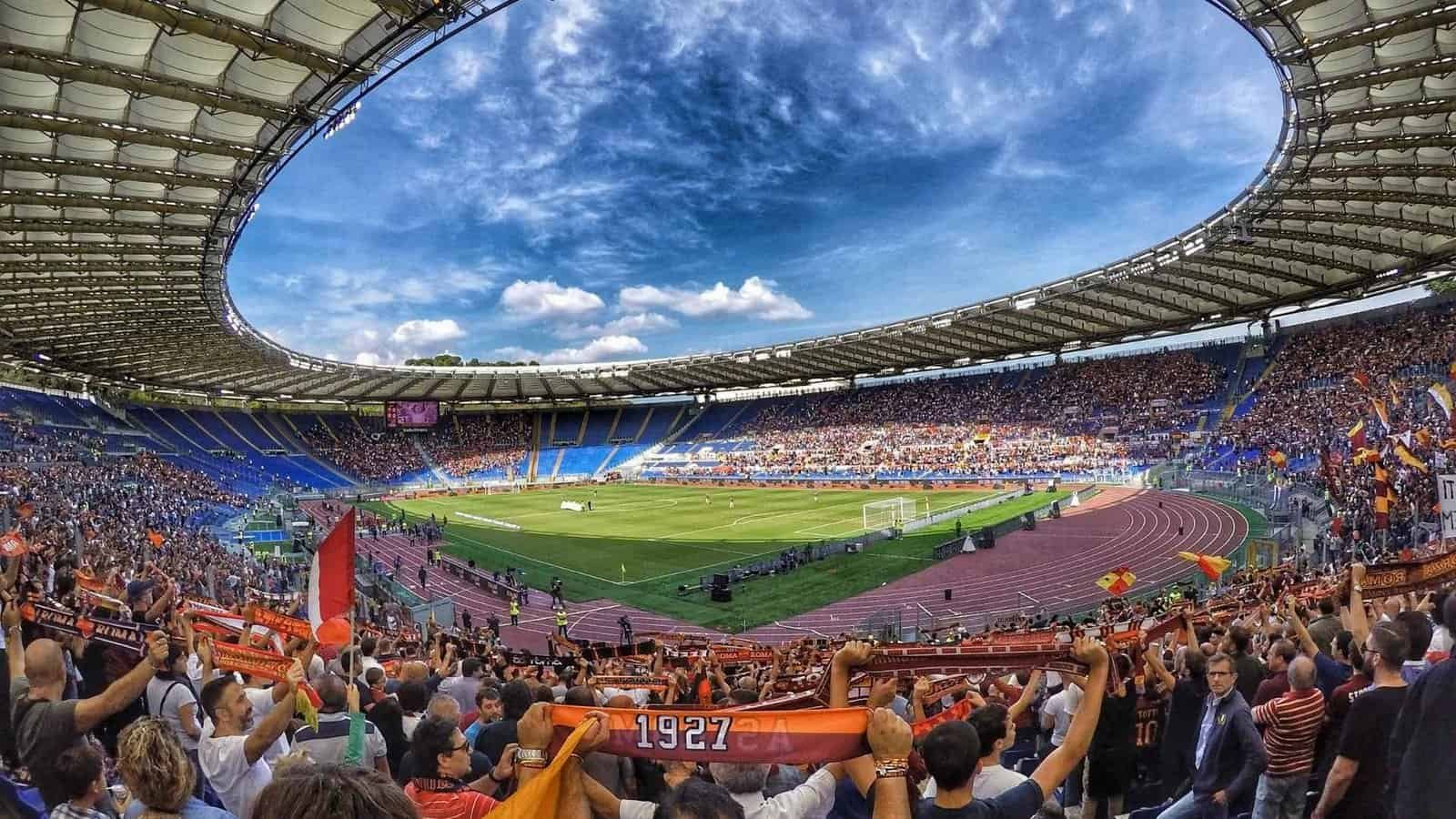
World Cup Veterans: How Football’s Legends Survive the Modern Game

Twilight of the Gods: How World Cup Veterans Defy Time
The FIFA World Cup 2026 in North America serves as the ultimate litmus test for the game’s veteran stars. Navigating an expanded 48-Team World Cup featuring 104 matches across three vast nations, multiple time zones and dramatically different climates leaves virtually no room for physical compromise.
For veteran icons who have dominated the global game for nearly two decades, this tournament represents a complex balancing act between institutional memory and acute physical limitation. As the game trends toward hyper-athleticism and high-intensity pressing, these legends must rely on tactical intelligence and advanced sports science to survive the most demanding World Cup itinerary ever assembled.
The Veteran Recovery Challenge
Step 1: Travel and Fatigue
Long-distance travel between host cities such as Vancouver, Mexico City and Miami places significant stress on recovery cycles, sleep quality and circadian rhythms.
Step 2: Physical Wear
Veteran players must manage muscle fatigue, glycogen depletion and the cumulative physical demands of tournament football.
Step 3: Tactical Adaptation
Managers increasingly rely on zonal positioning, controlled pressing and energy-conserving roles to maximize the effectiveness of experienced players.
Step 4: Sports Science Support
Recovery protocols may include personalized hydration plans, cryotherapy, oxygen therapy and advanced monitoring technologies.
The Physiological Strain of Tri-National Logistics
Modern sports science dominates the narrative surrounding World Cup veterans in North America. As FIFA World Cup 2026 stretches across three countries, the sheer scale of travel between venues such as Mexico City, Vancouver and Miami creates a unique physiological challenge, particularly in terms of circadian rhythms, sleep quality and soft-tissue recovery.
At 2,240 meters above sea level, the Estadio Azteca in Mexico City demands an entirely different cardiovascular output compared to the humid, sea-level environment of Miami. While a 23-year-old winger relies on rapid muscle-glycogen resynthesis to maintain a high press, a 37-plus veteran must manage their physical output with extreme precision.
Medical staffs are utilizing continuous glucose monitoring, personalized hydration protocols and hyperbaric oxygen therapy to accelerate recovery times, but the laws of biology cannot be completely rewritten. In FIFA World Cup 2026, World Cup veterans face an unprecedented logistical challenge, where every minute spent on a cross-continental flight is a minute lost to active recovery and physical preparation.
| Player Profile Category | Primary Tactical Utility | Physical Management Strategy | Statistical Metric of Success |
|---|---|---|---|
| The Retained Metronome | Half-space distribution, high-value passing lanes | Zonal positioning, minimal tracking back, protective double-pivot protection | Progressive passing accuracy (>90%), line-breaking assists |
| The Impact Catalyst | Final-third spatial manipulation, leadership, set-piece execution | Target man role, subbed in at 60th minute against tired defensive blocks | Goals per minute played, shot conversion rate |
| The Defensive Anchor | Penalty box organization, aerial dominance, defensive communication | Low defensive block, relying on athletic fullbacks to cover wide channels | Clearances, aerial duel win percentage, successful offside traps |
Tactical Accommodations and Systemic Compromises
To accommodate these legends without compromising the team’s defensive integrity, top-tier managers are forced to alter their tactical frameworks. The modern tactical consensus demands an aggressive, sustained pressing trigger from the front line. However, when a veteran star is on the pitch, this approach must be abandoned in favor of a more calculated system.
Teams are increasingly deploying mid-to-low defensive blocks that conserve their legends’ energy for decisive moments in the final third. In the modern game, World Cup veterans are often insulated by hard-working, athletic midfielders whose primary responsibility is to cover the defensive ground that the icon can no longer manage. This tactical trade-off is highly calculated: teams accept a reduced defensive output in exchange for the match-winning vision, experience and spatial intelligence that only a veteran player can provide.
Institutional Knowledge as a Tournament Currency
Despite physical decline, World Cup veterans remain invaluable under the pressure of the new 48-Team World Cup format. The expanded tournament introduces greater emotional and tactical volatility, particularly for younger squads navigating football’s biggest stage for the first time. An experienced captain’s true value is often found in the unquantifiable art of game management, leadership and decision-making under pressure.
Veteran Game Management Tools
Tempo Manipulation
Slowing the pace of play when opponents begin to build momentum.
Tactical Cynicism
Drawing intelligent fouls and disrupting high-intensity pressing sequences.
Emotional Leadership
Providing stability and composure for younger teammates during high-pressure knockout matches.
They understand when to slow down the tempo of a match, how to draw tactical fouls to disrupt an opponent’s momentum, and how to manage the intense psychological weight of a sudden-death knockout stage. They function as on-pitch coaches, proving that even as the modern game trends toward pure hyper-athleticism, elite spatial awareness and mental fortitude remain irreplaceable tournament currencies.
The Changing of the Guard
As the curtain slowly falls on this generation of soccer icons, their performance in North America will be remembered as a masterclass in athletic adaptation. They have been forced to reinvent themselves, transforming from dynamic, omnipresent forces into highly specialized, efficient operators.
The data collected during this tournament regarding their physical management will serve as a blueprint for future generations of aging athletes. While this World Cup may indeed represent their international twilight, these legends are proving that footballing intelligence can still triumph over pure physical output, leaving an indelible mark on the expanded era of the World Cup.
Further Reading
- Official FIFA World Cup 2026 tournament information
- FIFPRO research on player workload and athlete welfare
- FIFA Training Centre resources on performance and player development