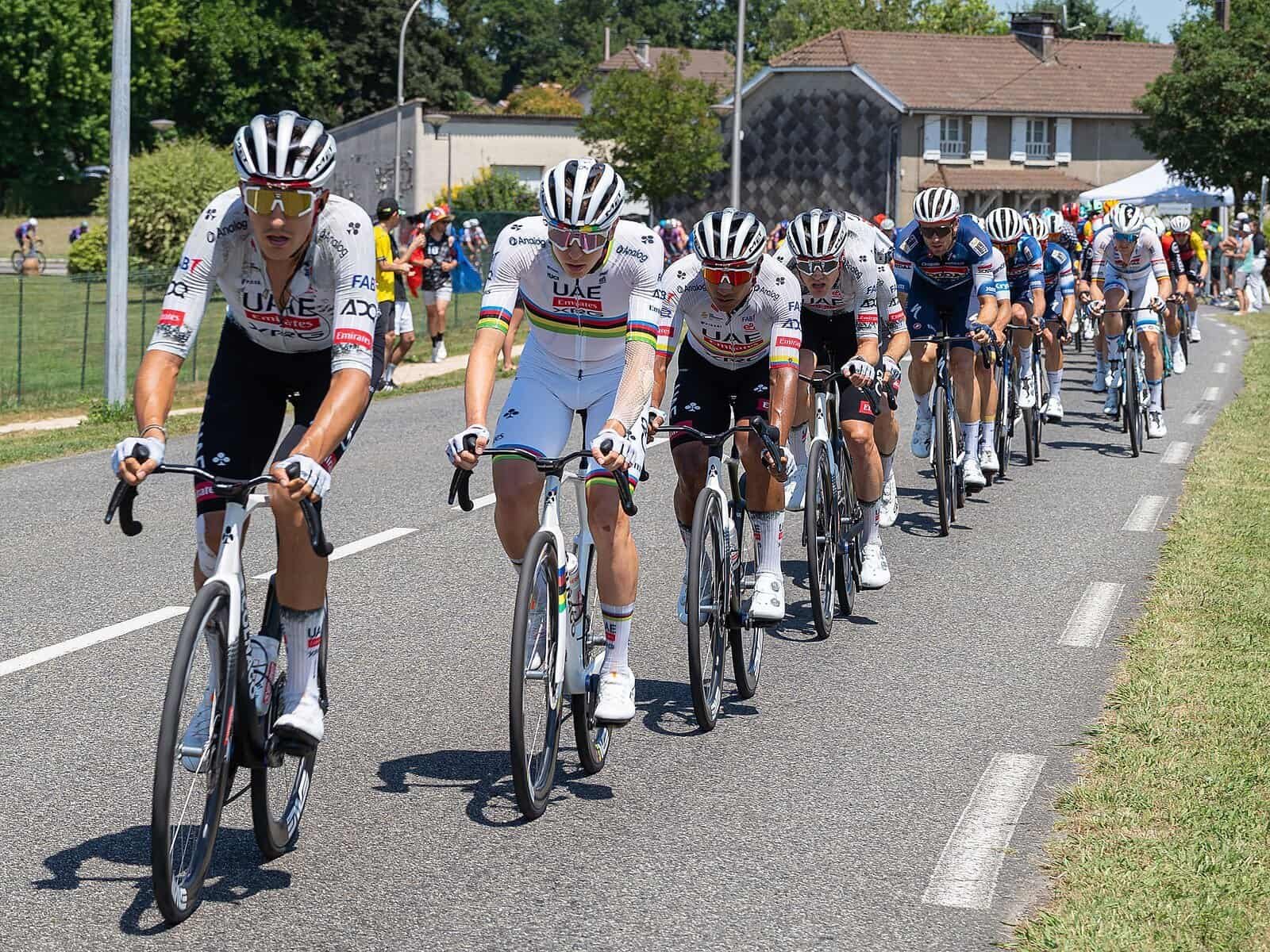
The Vuelta started in Monaco, which tells you what it has become

The 2026 Vuelta a España opened 2026 with a nine-kilometre time trial through the streets of Monaco. Not Spain. Not even near Spain. The peloton rides through France and Andorra before it crosses a Spanish border on stage five, and it will not reach Granada, where this ends, until 13 September.
A Spanish grand tour that spends its first four days outside Spain sounds like a contradiction. It is closer to a strategy, and it is the reason this race is worth following even in years when the other two are better stocked.
The race that had to reinvent itself
The Vuelta has always been third. Not third in quality — third in the order things happen. The Giro comes in May and takes the riders who want a grand tour before the season’s midpoint. The Tour comes in July and takes everyone else, because the Tour is the one that pays sponsors back.
By late August, the Vuelta gets what is left: riders recovering from the Tour, riders who missed it, riders building for the World Championships, and a handful who came specifically because this is the one they can win.
A race in that position has two options. It can accept being a lesser version of the Tour, or it can become something the Tour is not. The Vuelta chose the second, and the mechanism was the mountains. It is a structural problem we have written about before — professional cycling has one race that matters and twenty that have to justify themselves around it.
Seven summit finishes is not a statistic, it is a design
This year’s route runs to about 3,300 kilometres and carries more than 58,000 metres of climbing, with seven summit finishes and two individual time trials across the 21 stages. Rest days fall on 31 August and 7 September.
The distribution matters more than the total. A grand tour with two or three summit finishes is decided by a small number of days, which means the rest of the race is control — teams riding tempo, protecting a lead, nothing happening until the road goes up. A grand tour with seven summit finishes cannot be controlled that way. No team has the depth to shut down that many mountain days in three weeks of late-season heat.
The result is the most unpredictable of the three grand tours, and it is unpredictable by construction rather than by luck. The Vuelta worked out that its competitive advantage was chaos and then built a route that guarantees it.
The two time trials complicate it further. A pure climber cannot simply survive the flat and win in the hills, because there are two days where the clock is the only opponent and no wheel to hide behind. The nine kilometres in Monaco have already put seconds between riders who will spend three weeks trying to get them back.
Why starting abroad is not a gimmick
Grand tours have been starting outside their home countries for decades, and the usual explanation is money — host cities pay for the privilege. That is true and not the whole thing.
Starting in Monaco puts the race in front of an audience that would not otherwise see it, on roads that are famous for a different sport entirely. It borrows the setting’s existing meaning. And it stretches the geography of what a Spanish race is allowed to be — Monaco, France, Andorra and Spain inside three weeks, four countries, which is more than the Tour will usually manage.
For a race whose problem has always been being third in line, being somewhere unexpected is not a bad answer.
What we are covering
Twenty-one stages to 13 September, with the emphasis on why the racing went the way it did rather than who crossed the line first. The result is available within seconds of the finish and we are not going to compete with that.
What is worth writing is the pattern: which teams spent riders early and paid for it in the third week, where the route punished a decision made two stages earlier, and what the two rest days do to a race that has been climbing every other day.
One date to note before it arrives. The Vuelta finishes in Granada on 13 September, the same afternoon the US Open crowns its men’s champion in New York — two of the season’s closing acts inside the same few hours. Both are on the World Sport Calendar, which is the tidiest way to avoid finding out about a collision like that after the fact.
More in the cycling section. Subscribers get the stage-by-stage view before it reaches the site.
Verification note. Route, dates, climbing total, summit finishes, time trials and rest days confirmed 23 August 2026 across two independent route sources that agree: 22 August to 13 September, Monaco to Granada, 21 stages, seven summit finishes, more than 58,000 metres of climbing, two individual time trials, rest days on 31 August and 7 September, stage four in Andorra and stage five (Falset to Roquetes) the first on Spanish soil. One figure was corrected on checking: published totals for the race distance disagree, ranging from about 3,275 to 3,310 kilometres depending on the source, so we give it as approximately 3,300 rather than repeat a decimal we cannot stand behind. An earlier stage-type breakdown was dropped for the same reason — outlets classify mountain and hilly stages differently.
Not stated here: start list, favourites, or any rider by name. Grand tour participation changes late and we do not print a name we have not confirmed is riding.
Also try our analytical media Think-smarter?
Eight sites, one family — travel, wine, sport and sharper thinking. Explore the rest of the universe.